About Sugar
A brief dive into sugar and why you shouldn't eat it

If you’ve done anything in this world, you’ve encountered sugar. You’ve spent a lifetime inundated with it in its every form, sometimes without even knowing you’re eating it. Sugar can be well intentioned, it’s a treat, and it makes you feel good!...until it doesn’t :/.
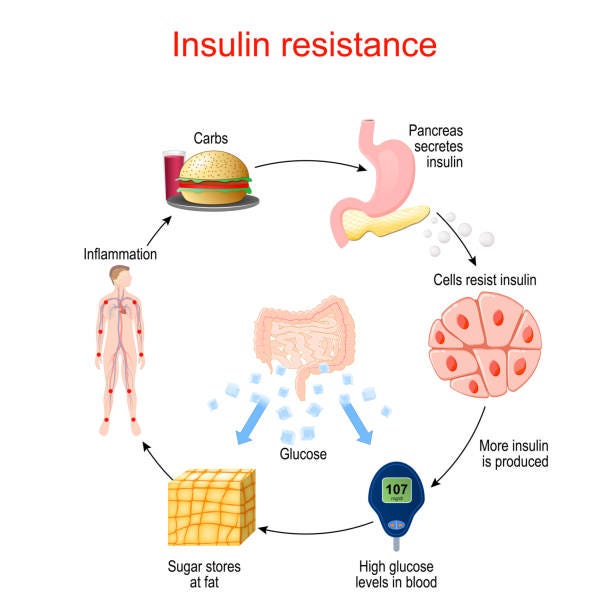
Cane sugar is by far the most dominant variety of sugar (75% of the world’s sugar consumption is cane-derived), but almost all sugars that have been highly processed (white beet sugar, confectioner’s sugar, obviously high fructose corn syrup, and even brown rice syrup) lack fiber and nutrients and are often bleached with chemicals. They quickly spike your blood sugar without providing any benefits. Insulin, a very important hormone produced in the pancreas, regulates your metabolism as well as the storage of glucose in your muscles, fat, and liver, and releases the sugar into your bloodstream. The problem with high blood sugar is that it triggers the pancreas to create so much insulin that eventually your muscles, fat, and liver become insulin resistant. The organs can no longer absorb glucose and use it as energy, and the glucose builds up to inflame the rest of your body. This causes an inevitable system breakdown, leading to diabetes, cancer, heart disease, and the full gamut of conditions and diseases.
These sugars are not only devoid of any health benefits but also trigger your brain to release serotonin, feel really good, eventually crash, and come back for more (they’re addictive). No wonder the average American consumes 17 teaspoons of added sugar each day. The ubiquity of sugar in almost all processed foods, sweet and savory, unfortunately extends to most processed foods marketed as healthy, vegan, and gluten free alternatives. Sugar was not always a widespread crop or ingredient; evidence of its cultivation and refinement in Papua New Guinea dates back thousands of years, where it was used as a prized spice. It didn’t make its way to the Americas (via Portuguese colonizers in Brazil) until the 17th century, where it soon became integral in the establishment of the international slave trade, and subsequently refined, packaged, sold, and baked into every single shelf in the grocery store (even Whole Foods).
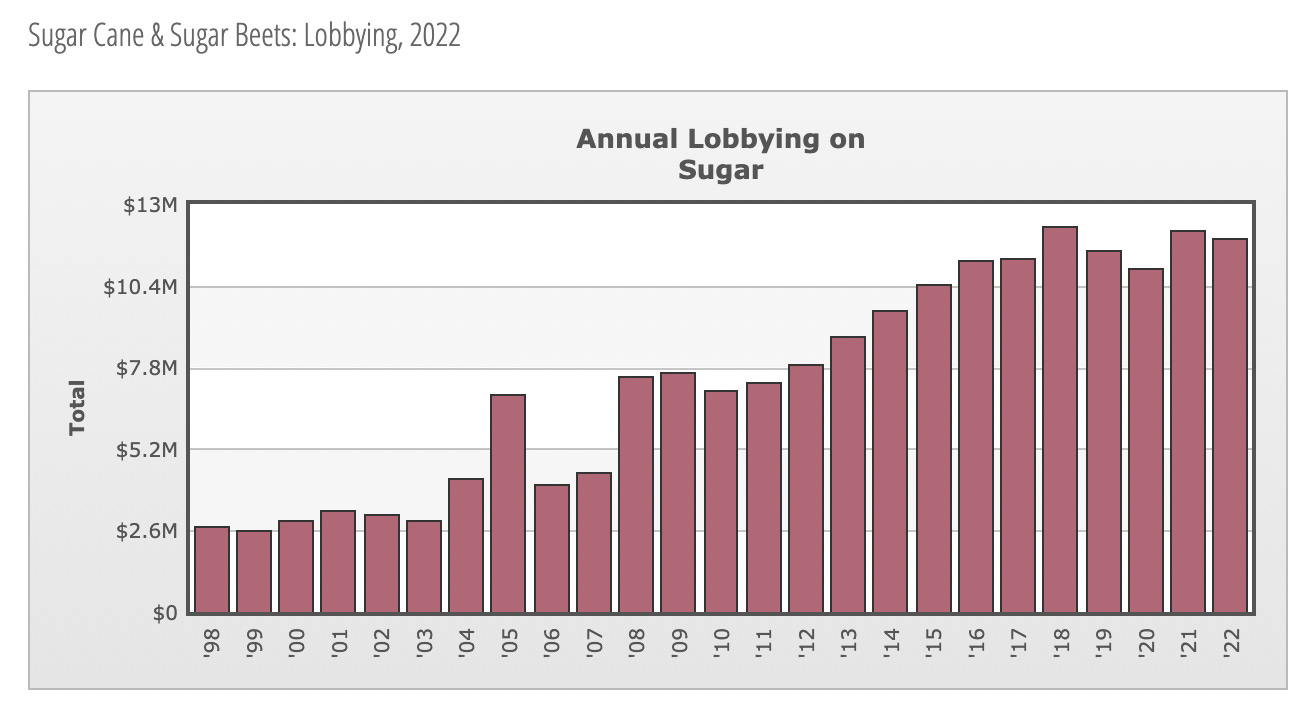
Sugar’s overwhelming prevalence in the American diet lays blame not entirely on us as consumers but on the giant food corporations, their lobbyists, and decades of corrupt policies. The United States subsidizes the sugar industry to the tune of $4 billion annually through a variety of programs and tariff limits, ensuring perpetual profitability for the behemoth companies that push sugar on us. Lobbyists are currently fighting tooth and nail to allow sugarcane growers in Florida to burn the tops of their crops, an unnecessary production process that produces “black snow”, massively polluting the environment and enveloping surrounding communities. The National School Lunch Program and School Breakfast Program currently have no restrictions regarding sugar and have been found to overwhelmingly exceed the USDA’s own recommended limit. Government guidelines recommend up to 12 teaspoons of added sugar per day.
Neither our digestive systems nor our environmental ecosystems were made to withstand humans eating sugar (or worse yet, drinking it) all day every day. That’s not to say that we need to eliminate all forms of sugar entirely, which fruits and vegetables can be full of. Our bodies can not only handle the glucose from good sources but also, when it’s functioning properly, use it efficiently as energy. Take an apple for instance, whose fiber (with the help of its polyphenol-rich skins) acts as a vehicle to digest and slowly disperse nutrients and sugar into the bloodstream.

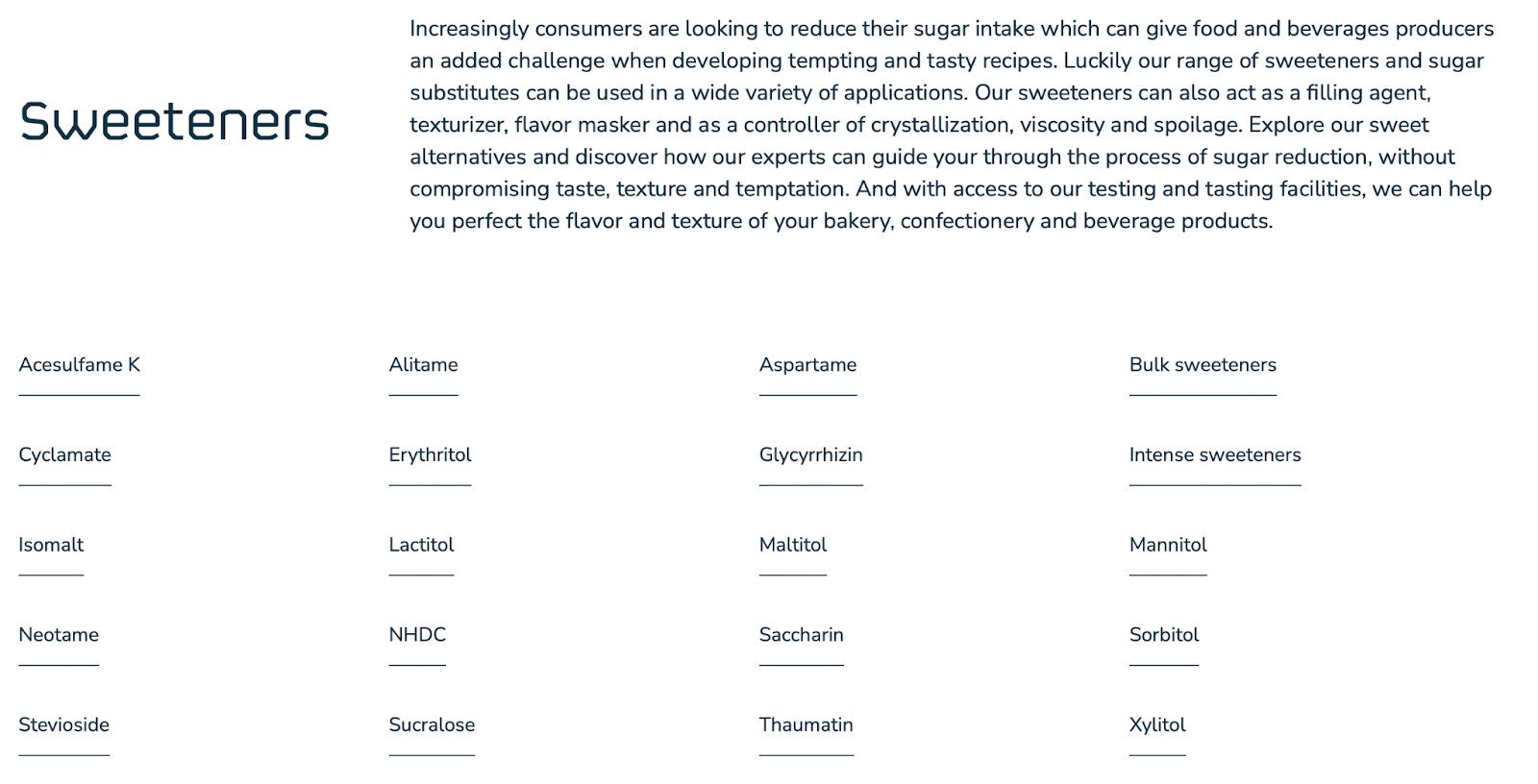
Luckily, not all “sugars” or sweeteners are created equal. We have some other options that are sweet and even nutritionally beneficial, full of vitamins and minerals. Where we are in upstate New York there are a ton of amazing local maple syrups (and maple sugar!) as well as honey, and you can find local raw honey in most parts of the world. If you can find some organic fair trade coconut sugar it’s a perfect substitute for cane sugar in baking (honestly we prefer it); we also love date syrup and date sugar. As a general rule, the closer the “sugar” is to its natural form, and the closer that plant was grown to you, the better. These sweeteners also offer a complexity of flavor that plain white sugar just doesn’t have. But please don’t be fooled by the fast spreading trend of highly refined and chemically derived “alternative” sweeteners (even the “natural” ones); these are no better and provide another opportunity for giant ingredients manufacturers to yield massive profit. If you don’t know what the ingredient on the label is, don’t eat it (or google it). Or grab a piece of fruit.